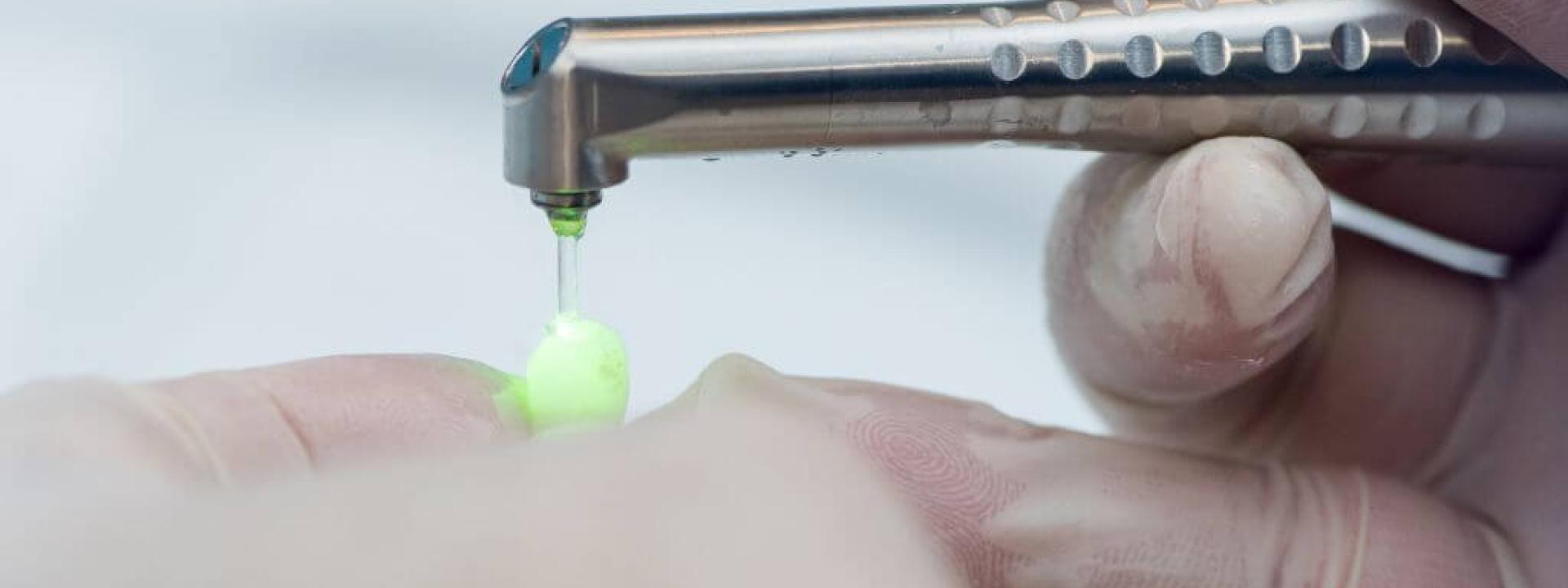
As dental technology continues to evolve, one innovation that often sparks patient curiosity is the use of dental lasers. These advanced tools are designed to improve precision and comfort during certain procedures. If you have ever wondered whether dental lasers are effective for dental care, the answer is that they can be highly effective in specific situations. Understanding how they work and when they are used can help you feel more confident about your treatment options.
What Are Dental Lasers and How Do They Work?
Dental lasers are instruments that produce a focused beam of light energy. This energy can be directed at soft tissues like gums or hard tissues like teeth, depending on the type of laser being used. By adjusting the wavelength and intensity, your dentist can perform precise procedures with minimal impact on surrounding areas.
Different types of dental lasers are designed for specific purposes. Some are used for soft tissue procedures, while others are intended for hard tissue treatments such as removing decay. Because of this versatility, lasers have become a valuable addition to many modern dental practices, often working alongside traditional tools rather than replacing them entirely.
Soft Tissue Treatments with Dental Lasers
Dental lasers are commonly used for procedures involving the gums and other soft tissues. These treatments may include reshaping gum tissue, addressing excess tissue, or assisting in periodontal therapy. The precision of laser technology allows dentists to target specific areas without affecting nearby healthy tissue.
Many patients notice that laser-assisted soft tissue procedures can feel more comfortable than traditional methods. In some cases, there may be less bleeding during treatment because the laser can help seal small blood vessels as it works. Healing may also feel smoother for some patients, depending on the procedure and individual response.
Common Soft Tissue Uses
- Gum contouring to improve the appearance of the smile
- Treatment of periodontal (gum) disease
- Removal of inflamed or overgrown tissue
- Exposure of partially erupted teeth
Using Dental Lasers for Tooth (Hard Tissue) Procedures
Some dental lasers are designed to work on hard tissues like enamel and dentin. In these cases, lasers may be used to remove tooth decay or prepare a tooth for a filling. Because the laser is highly targeted, it often allows dentists to preserve more of the healthy tooth structure.
Patients sometimes report that procedures performed with lasers feel different from those done with traditional drills. For certain treatments, the use of a laser may reduce the need for local anesthesia, although this depends on the depth and location of the work being performed. Your dentist will always prioritize your comfort and determine the best approach for your situation.
Benefits of Dental Laser Dentistry
Dental lasers offer several potential advantages when used in appropriate cases. While not every procedure requires a laser, they can enhance treatment in ways that improve the overall patient experience.
- Minimally invasive approach: Lasers allow for precise treatment, which may help preserve healthy tissue.
- Improved comfort: Some patients experience less discomfort during and after certain procedures.
- Reduced bleeding in soft tissue procedures: The laser can help control minor bleeding as it works.
- Efficient healing response: Many patients find recovery to be smooth, depending on the procedure performed.
It is important to remember that outcomes can vary based on the type of treatment and your individual oral health needs. Your dentist will recommend laser dentistry only when it is appropriate for your care.
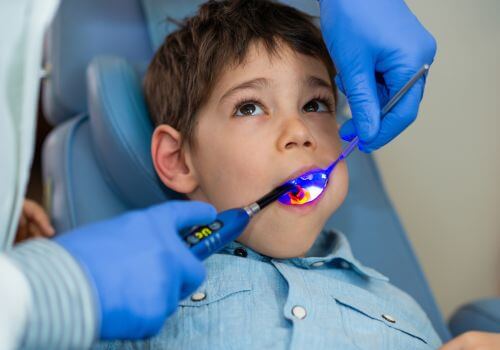
Laser Dentistry for Children and Younger Patients
Laser dentistry can also be especially beneficial for children and younger patients in certain situations. Because dental lasers are precise and minimally invasive, they may provide a more comfortable treatment experience than some traditional techniques. In some cases, lasers can reduce the need for drilling, vibrations, or numbing during cavity treatment, which may help ease anxiety for children who feel nervous about dental visits.
Many parents also appreciate that laser dentistry can often provide a gentler approach while still effectively treating the affected area. Since lasers are designed to target specific tissue with precision, they may help preserve more healthy tooth structure and support a smoother recovery after treatment. Your dentist will determine whether laser dentistry is appropriate based on your child’s age, comfort level, and individual dental needs.
Limitations and Considerations of Dental Lasers
While dental lasers are a valuable tool, they are not suitable for every procedure. Traditional dental instruments are still necessary in many situations, such as placing certain types of restorations or working on areas that lasers cannot effectively access.
There are also practical considerations. Laser equipment requires specialized training, and not all dental offices offer every type of laser treatment. Additionally, the choice to use a laser depends on the specific diagnosis, the location of the issue, and your overall treatment plan.
Are Dental Lasers Right for You?
Dental lasers can be an excellent option for many patients, particularly for soft tissue procedures and certain hard tissue treatments. However, the best approach always depends on your individual needs, oral health condition, and treatment goals.
If you are interested in laser dentistry, have a conversation with your dentist. They can explain whether a laser may be beneficial for your specific situation and walk you through what to expect. With the right guidance, you can make an informed decision that supports both your comfort and your long-term oral health.
The Future of Laser Dentistry
As dental technology continues to advance, lasers are expected to play an even greater role in patient care. Ongoing research is focused on improving precision, expanding treatment capabilities, and enhancing patient comfort. While lasers are already widely used, their applications may continue to grow as techniques evolve.
For patients, this means more options and potentially more comfortable experiences in the dental chair. Whether used alone or alongside traditional tools, dental lasers represent a modern approach to delivering effective, patient-centered care.
If you have questions, we would love to answer them for you. Please give us a call at the office at (571) 248-7389, or you can email us at [email protected]. Our staff would love to talk with you!
Don't forget to follow us on social media Facebook, Instagram.